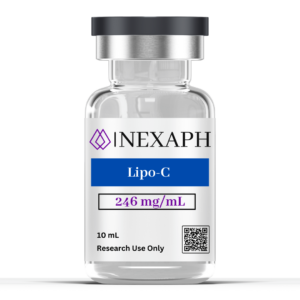
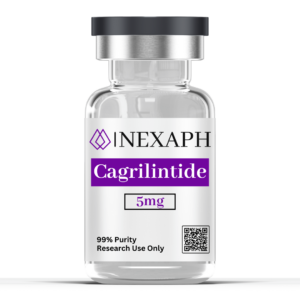
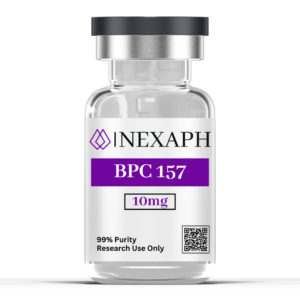
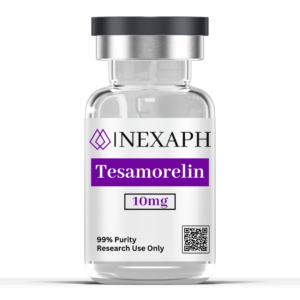
Nexaph Peptides | Research Information & Product Guide
Explore information about Nexaph Peptides, peptide science, laboratory compounds, and the terminology used in modern biochemical research. Our goal is to help visitors understand compound categories, interpret available product documentation, and find clear answers to common questions about peptide research.
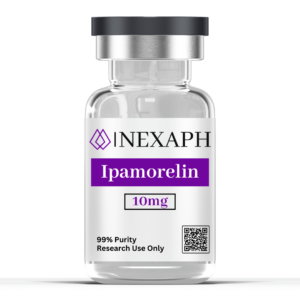
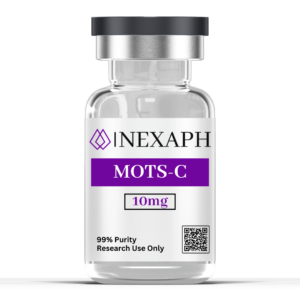
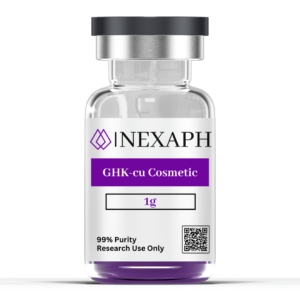
Whether you are researching BPC-157, GHK-Cu, MOTS-C, Ipamorelin, or other peptide-related compounds, start with accurate information and documentation that can be independently evaluated.
About Nexaph Peptides
Understanding Nexaph and the World of Research Peptides
Nexaph Peptides is a name associated with online searches for peptide products, laboratory compounds, and related research information. Visitors often want to understand the available catalog, identify specific compounds, review product specifications, and learn how to assess documentation.
NexaphOfficial.org is intended to organize useful information around these topics in a clear and accessible format. Our editorial approach emphasizes accurate descriptions, transparent sourcing, and a distinction between published product specifications and independently verified findings.
Peptides are short chains of amino acids that play important roles in biological processes. Researchers investigate different peptides to understand their structures, interactions, and potential applications in laboratory and biomedical research.
Because individual compounds differ significantly, product information should be evaluated on a compound-by-compound basis. A product name, stated purity percentage, or supplier description alone does not establish safety, effectiveness, authenticity, or suitability for human use.
A More Informed Approach to Peptide Researc | NEXAPH
When evaluating information about Nexaph Peptides or any other peptide supplier, look beyond product names and marketing descriptions. Documentation should be understandable, specific to the product, and capable of verification.
Review available certificates of analysis
A certificate of analysis (COA) should identify the material tested, relevant analytical methods, test results, and the laboratory responsible for the analysis. Confirm whether the report applies to the specific batch being discussed.
Check the supporting evidence
Look for independently verifiable laboratory reports and clear explanations of testing methods. Do not assume that a supplier claim constitutes independent verification.
Understand purity and identity
Purity and identity are different analytical questions. A stated purity percentage alone does not establish the identity of a compound, the absence of every contaminant, or its suitability for a particular application.
Separate research from medical use
Experimental research findings do not establish that a compound is safe or effective as a treatment. Regulatory status and permitted uses vary by compound, formulation, and jurisdiction
Why Choose Nexaph?
What Makes Us Different
1. Transparent Product Information
Access clear compound descriptions, product specifications, and available documentation to better understand the products and claims being presented.
2. Research-Focused Approach
Explore peptide information, laboratory terminology, and quality-assessment resources designed to help readers understand research compounds and evaluate supporting evidence.
3. Commitment to Informed Decisions
We emphasize evidence-based information, clear explanations, and responsible evaluation of product claims so visitors can distinguish documented facts from unverified statements.
Frequently Asked Questions
What should a peptide COA contain?
Ideally, it should identify the tested sample, describe the analytical methods, report relevant findings, and identify the issuing laboratory.
Can I verify a COA online?
Depending on the laboratory, verification may be possible through a report identifier or direct contact with the issuing organization. Use independently confirmed contact details.
Does a COA prove a peptide is safe for human consumption?
No. Analytical findings do not automatically establish medical safety, effectiveness, or approval.